









Most business applications begin with a small frustration. A team tracks orders in spreadsheets and loses track of them. A clinic books appointments by phone and double-books patients. A sales manager asks three people for one report. Someone finally says, "There must be a better way."
There is, and it usually starts with a business application tailored to your workflow. But how do you go from that frustration to a working, reliable system?
This guide walks through the full process of developing a business application: what to decide, what to build, what to test, and what to avoid. Whether you plan to use an internal team, hire a developer, or work with a company, understanding these steps will help you make better decisions.
A business application is software that helps an organisation run its operations. It can be used by employees, customers, vendors, or partners and may run on the web, mobile devices, or both.
Common examples include:
The best business applications fit how people actually work. They save time, reduce errors, and give managers clear visibility.
Start with the problem, not the feature list. Ask:
Write the goal in one or two sentences. For example: "Reduce order processing time from two days to two hours" or "Let customers book appointments online without calling." This statement becomes your compass for every later decision.
Talk to the people who will use the application every day. Watch how they work and map each step of the current process, including exceptions, workarounds, and paperwork.
Identify user roles, such as owner, manager, staff, customer, and administrator. Note what each role needs to see and do. Many projects fail because the software reflects what managers imagine instead of what staff actually do.
An honest development partner will tell you which route fits. Choosing wisely at this stage can save significant time and money.
Brainstorm every feature you can imagine. Then sort them into three groups:
Your first release should focus on must-have features. This is the idea behind a minimum viable product, or MVP: launch the smallest version that delivers real value, learn from actual use, and improve.
Technology choice should serve your needs, not trends. Favour mainstream, well-supported stacks because they make maintenance easier and keep your options open if you change developers later.
Before coding, create:
Aim for clear navigation, minimal typing, readable text, and mobile-friendly screens. Test the prototype with real users. Fixing a design costs far less than fixing finished software.
Plan the following areas:
Skipping this step is a common cause of slow, fragile, or insecure applications.
Build the application in short cycles, often called sprints, with working features delivered regularly. Typical areas include:
Regular demos let you review progress, correct misunderstandings, and adjust priorities before changes become expensive.
Use realistic data and unusual scenarios, such as failed payments, cancelled orders, and incorrect entries.
If you are replacing spreadsheets or older software, move existing data carefully. Clean it, map it to the new structure, and verify it after transfer.
Then deploy on reliable cloud infrastructure with backups, monitoring, and secure access. Many teams run the old and new systems in parallel for a short period before switching fully.
Provide the following:
Announce the change early, explain the benefits, and make it clear why the old process is being retired.
Applications that are maintained and improved continue to deliver value for years.
Freelancers can work well for small, clearly defined tasks, but continuity can be a risk.
An in-house team gives you control, but hiring, managing, and retaining skilled people can be expensive and slow.
A development company brings designers, developers, testers, and project managers together with established processes and experience. For many small and mid-sized businesses, this offers a strong balance of speed, quality, and cost.
Whichever route you choose, insist on a clear written scope, milestones, code and data ownership, and post-launch support.
Zentrix Infotech is an IT solutions company providing software development, web development, mobile app development, UI/UX design, cloud solutions, and digital marketing. We have completed more than 250 projects for over 270 clients and hold a 4.7/5 client rating, with offices in Moradabad and Ghaziabad serving clients across India and worldwide.
Because design, development, cloud, and marketing sit in one team, your application can move from idea to launch without coordinating several vendors. Our process mirrors the steps above: discovery and planning, UI/UX design, milestone-based development, integration and testing, secure cloud deployment, training, and ongoing support.
Our portfolio shows the range. The Buyzaar Mart is a retail franchise platform with multi-category ordering, delivery management, and franchise operations. HerbsFox is an organic herbs and spices marketplace. We have also delivered platforms for KDEDU in education and Jigyasa Hospital in healthcare, where the client highlighted a clean, professional site that makes appointment booking easy.
See more in our portfolio.
Developing a business application is less about code and more about clarity: a clear problem, clear users, clear priorities, and a clear path from first release to continuous improvement. Follow the steps in order, start small, and keep listening to the people who use the system.
If you have an idea or a bottleneck you want to fix, share it with us. Zentrix Infotech will help you shape it into a realistic plan with timelines, milestones, and an itemised estimate.
Ready to build your business application? Contact Zentrix Infotech for a free consultation.
Define the problem and goal, map your workflow and users, then list and prioritise features before choosing a development partner.
Small tools take a few weeks. Larger systems usually take a few months and are delivered in phases.
No. You need clarity about your business. A good development team handles the technical decisions and explains them simply.
A minimum viable product is a first release with only essential features, used to test value and gather feedback before expanding.
Web apps suit most business tools. Choose mobile for field teams, frequent customer use, or offline needs. Many projects use both.
Cost depends on features, users, platforms, integrations, and design. We provide a clear estimate after a free consultation.
Yes. We integrate with accounting tools, payment gateways, CRMs, messaging services, and other systems.
Yes. We offer maintenance, monitoring, security updates, and new feature development.
Stay updated with the latest digital marketing insights
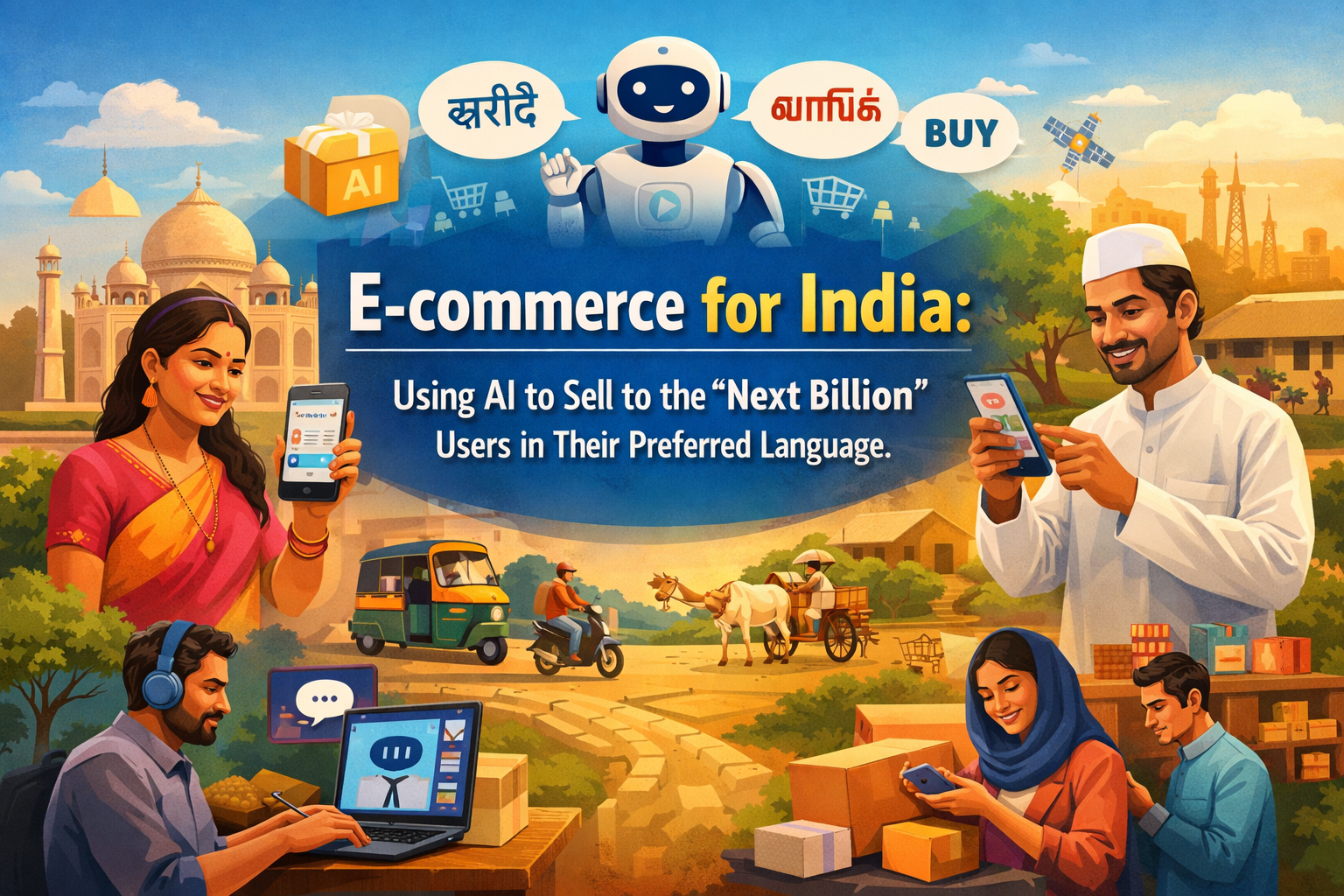
Discover how Artificial Intelligence enables businesses to deliver multilingual, personalized, and intuitive shopping experiences to India's next billion internet users.
Read More
Discover what voice search SEO is, why it matters in 2026, and how businesses can optimize their websites to capture traffic from the rapidly growing voice query market.
Read More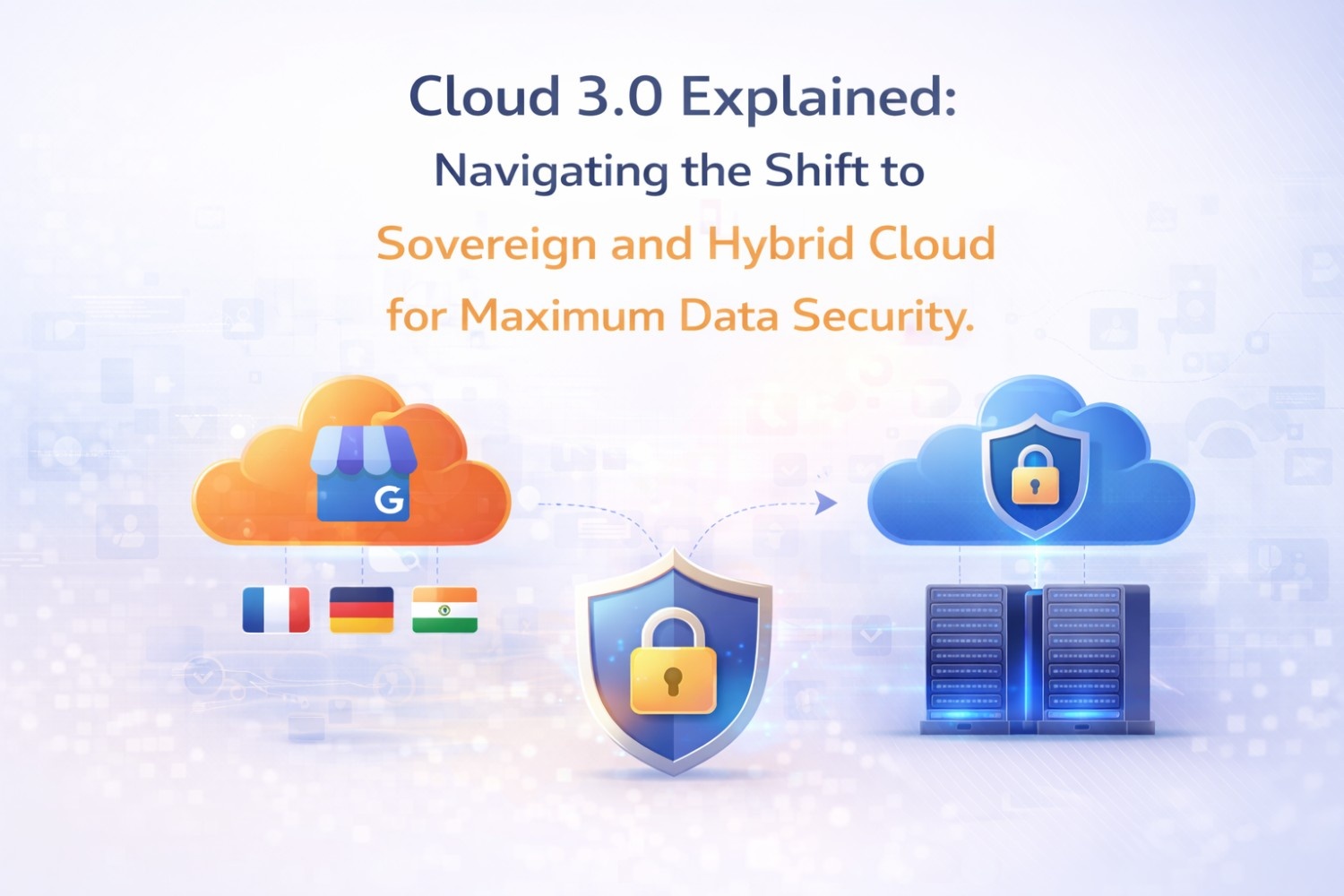
Explore what Cloud 3.0 is, why sovereign and hybrid cloud strategies matter in 2026, and how businesses can adopt them for maximum data security.
Read More
Learn 10 scalable, measurable, and adaptable methods for generating leads online in 2026 for businesses of all sizes.
Read MoreWe combine expertise, trust, and performance to deliver digital and IT solutions that truly support your business growth.
We bring hands-on experience in digital marketing, software, websites, apps, UI/UX, and cloud systems.
High-quality digital and IT services at transparent and budget-friendly rates.
Every strategy is designed to produce real results more leads, growth, performance, and visibility.
We keep you updated, respond quickly, and ensure smooth collaboration throughout the project.
Every business is unique our services are tailored to your goals, industry, and target audience.
Startups, brands, and enterprises rely on Zentrix Infotech for consistency, quality, and reliability.
Build fast, responsive, and scalable websites tailored to your business needs and goals.
Build a memorable brand identity with compelling designs that resonate with your target audience.
Engage and grow your community with strategic social media management and compelling content.
Boost your online presence with comprehensive digital strategies that deliver real results.
Create powerful mobile applications for iOS and Android that engage users on the go.
Custom software solutions built to streamline your operations and scale with your business.
Design intuitive and beautiful user experiences that keep your customers coming back.
Leverage cloud technology for secure, scalable, and cost-effective infrastructure solutions.
Showcasing our best creative work

A modern retail franchise brand empowering entrepreneurs with a comprehensive online shopping destination. Features multi-category marketplace with seamless ordering, delivery management, and franchise operations.

An award-winning ISO 9001:2015 certified wedding décor and event planning platform specializing in luxury celebrations, destination weddings, and corporate events across India with bespoke design experiences.

An award-driven interior studio offering bespoke residential & commercial solutions, blending elegance, function, and Vastu principles for harmonious living.

Crafting elegant and timeless interiors that transform spaces into immersive experiences—merging form, texture, and atmosphere seamlessly.
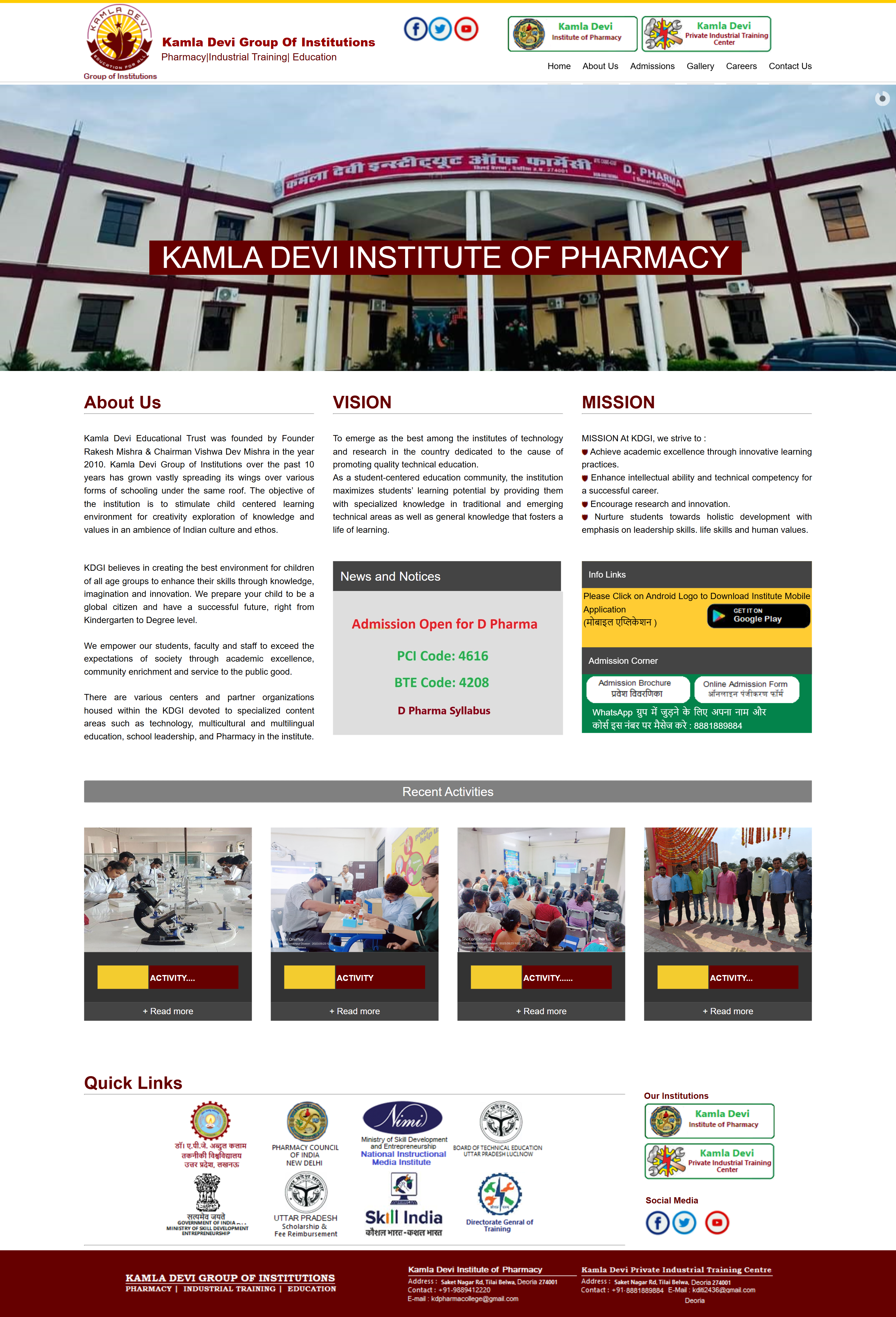
A comprehensive educational institution offering quality learning from Kindergarten to Degree level, specializing in technical education, pharmacy, and holistic student development with emphasis on research, innovation, and leadership skills.
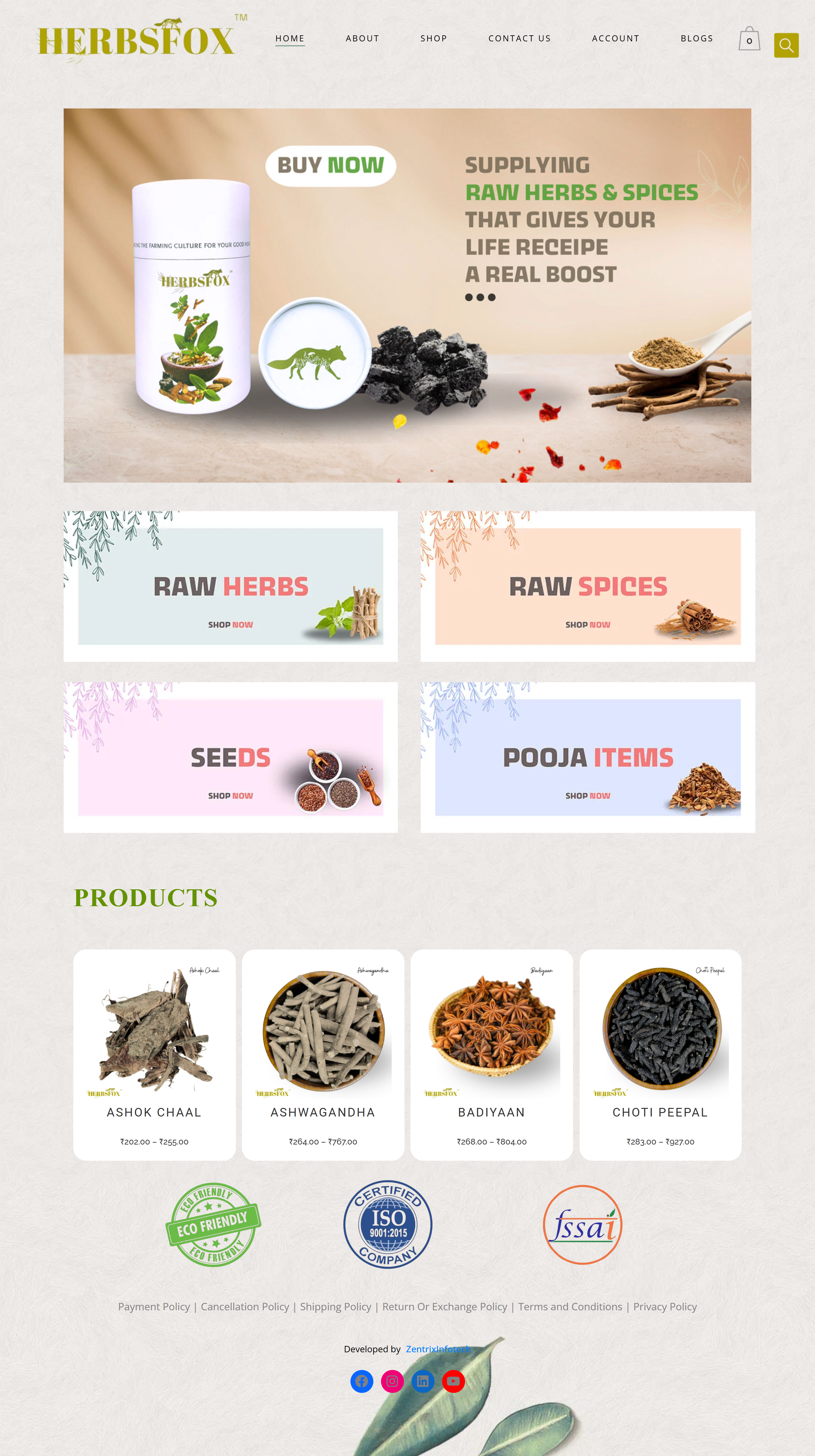
An online platform offering 100% raw, pure herbs, spices, seeds, and holistic wellness products sourced sustainably from trusted farms. :contentReference[oaicite:0]{index=0}
See what industry leaders are saying about our AI-powered development tools

Vasterior Pvt. Ltd.
The website looks modern and professional — exactly what we needed to showcase our interiors beautifully.
Alluring Glimpses
The design perfectly reflects our style, and the site is easy to navigate for our clients.
PS Decor
The website showcases our wedding projects beautifully and helped us get more client inquiries.
Morning Bites
Our bakery website is inviting and easy to use, making it simple for customers to order online.
Herbsfox
The site is clean, well-organized, and perfectly suits our natural products business.
Kairvi Fort Resort
The site turned out elegant and functional — Plus, the digital campaigns brought in real results with a noticeable boost in bookings during peak seasons.
Vasterior Pvt. Ltd.
The website looks modern and professional — exactly what we needed to showcase our interiors beautifully.
Alluring Glimpses
The design perfectly reflects our style, and the site is easy to navigate for our clients.
PS Decor
The website showcases our wedding projects beautifully and helped us get more client inquiries.
Morning Bites
Our bakery website is inviting and easy to use, making it simple for customers to order online.
Herbsfox
The site is clean, well-organized, and perfectly suits our natural products business.
Kairvi Fort Resort
The site turned out elegant and functional — Plus, the digital campaigns brought in real results with a noticeable boost in bookings during peak seasons.
Vasterior Pvt. Ltd.
The website looks modern and professional — exactly what we needed to showcase our interiors beautifully.
Alluring Glimpses
The design perfectly reflects our style, and the site is easy to navigate for our clients.
PS Decor
The website showcases our wedding projects beautifully and helped us get more client inquiries.
Morning Bites
Our bakery website is inviting and easy to use, making it simple for customers to order online.
Herbsfox
The site is clean, well-organized, and perfectly suits our natural products business.
Vasterior Pvt. Ltd.
The website looks modern and professional — exactly what we needed to showcase our interiors beautifully.
Alluring Glimpses
The design perfectly reflects our style, and the site is easy to navigate for our clients.
PS Decor
The website showcases our wedding projects beautifully and helped us get more client inquiries.
Morning Bites
Our bakery website is inviting and easy to use, making it simple for customers to order online.
Herbsfox
The site is clean, well-organized, and perfectly suits our natural products business.
Kairvi Fort Resort
The site turned out elegant and functional — Plus, the digital campaigns brought in real results with a noticeable boost in bookings during peak seasons.
Jigyasa Hospital
The website is clean, professional, and makes appointment booking super easy. Thanks to the marketing efforts, we've seen a consistent rise in patient inquiries through Google and social media. Great collaboration overall!
Southern Palate
Our spice e-commerce site looks great and is easy for customers to browse and order.
Kdedu.in
The college website is informative and easy for students and faculty to access essential resources.
Intirio World
Absolutely love how the website represents our brand — stylish and user-friendly! The digital marketing push also helped us generate qualified leads consistently. Super happy with the experience!
Kairvi Fort Resort
The site turned out elegant and functional — Plus, the digital campaigns brought in real results with a noticeable boost in bookings during peak seasons.
Jigyasa Hospital
The website is clean, professional, and makes appointment booking super easy. Thanks to the marketing efforts, we've seen a consistent rise in patient inquiries through Google and social media. Great collaboration overall!
Southern Palate
Our spice e-commerce site looks great and is easy for customers to browse and order.
Kdedu.in
The college website is informative and easy for students and faculty to access essential resources.
Intirio World
Absolutely love how the website represents our brand — stylish and user-friendly! The digital marketing push also helped us generate qualified leads consistently. Super happy with the experience!
Vasterior Pvt. Ltd.
The website looks modern and professional — exactly what we needed to showcase our interiors beautifully.
Alluring Glimpses
The design perfectly reflects our style, and the site is easy to navigate for our clients.
PS Decor
The website showcases our wedding projects beautifully and helped us get more client inquiries.
Morning Bites
Our bakery website is inviting and easy to use, making it simple for customers to order online.
Herbsfox
The site is clean, well-organized, and perfectly suits our natural products business.
Vasterior Pvt. Ltd.
The website looks modern and professional — exactly what we needed to showcase our interiors beautifully.
Alluring Glimpses
The design perfectly reflects our style, and the site is easy to navigate for our clients.
PS Decor
The website showcases our wedding projects beautifully and helped us get more client inquiries.
Morning Bites
Our bakery website is inviting and easy to use, making it simple for customers to order online.
Herbsfox
The site is clean, well-organized, and perfectly suits our natural products business.
Kairvi Fort Resort
The site turned out elegant and functional — Plus, the digital campaigns brought in real results with a noticeable boost in bookings during peak seasons.
Jigyasa Hospital
The website is clean, professional, and makes appointment booking super easy. Thanks to the marketing efforts, we've seen a consistent rise in patient inquiries through Google and social media. Great collaboration overall!
Southern Palate
Our spice e-commerce site looks great and is easy for customers to browse and order.
Kdedu.in
The college website is informative and easy for students and faculty to access essential resources.
Intirio World
Absolutely love how the website represents our brand — stylish and user-friendly! The digital marketing push also helped us generate qualified leads consistently. Super happy with the experience!
Kairvi Fort Resort
The site turned out elegant and functional — Plus, the digital campaigns brought in real results with a noticeable boost in bookings during peak seasons.
Jigyasa Hospital
The website is clean, professional, and makes appointment booking super easy. Thanks to the marketing efforts, we've seen a consistent rise in patient inquiries through Google and social media. Great collaboration overall!
Southern Palate
Our spice e-commerce site looks great and is easy for customers to browse and order.
Kdedu.in
The college website is informative and easy for students and faculty to access essential resources.
Intirio World
Absolutely love how the website represents our brand — stylish and user-friendly! The digital marketing push also helped us generate qualified leads consistently. Super happy with the experience!
Jai Balaji Bath and Tiles
The digital marketing campaigns helped us reach new builders and dealers we couldn't earlier. Our local visibility has drastically improved, and we're seeing a steady flow of inquiries through social media and search. Very satisfied!
Park Square
The digital marketing team really helped us attract property buyers. Our campaigns generated quality leads, and footfall at the site has gone up. Great results and great coordination!
Ahlawat Pharmacy
Our online presence was almost zero before. Now, people discover us through search and social ads. Orders and footfall have grown steadily since the campaigns started.
Hawk Eye Shooting Institute
The grand opening was a success thanks to their targeted ads. We reached the right audience at the right time. Now, we're consistently getting student inquiries through Instagram and Google.
The Buyzaar Mart
Their marketing strategy helped us launch our retail franchise network successfully. The targeted campaigns brought quality franchise inquiries and increased brand visibility across Delhi NCR. Our store openings now generate strong local engagement.
Jai Balaji Bath and Tiles
The digital marketing campaigns helped us reach new builders and dealers we couldn't earlier. Our local visibility has drastically improved, and we're seeing a steady flow of inquiries through social media and search. Very satisfied!
Park Square
The digital marketing team really helped us attract property buyers. Our campaigns generated quality leads, and footfall at the site has gone up. Great results and great coordination!
Ahlawat Pharmacy
Our online presence was almost zero before. Now, people discover us through search and social ads. Orders and footfall have grown steadily since the campaigns started.
Hawk Eye Shooting Institute
The grand opening was a success thanks to their targeted ads. We reached the right audience at the right time. Now, we're consistently getting student inquiries through Instagram and Google.
The Buyzaar Mart
Their marketing strategy helped us launch our retail franchise network successfully. The targeted campaigns brought quality franchise inquiries and increased brand visibility across Delhi NCR. Our store openings now generate strong local engagement.