










Every growing business eventually hits the same wall: spreadsheets stop scaling, off-the-shelf tools force awkward workarounds, and teams waste hours on tasks that software should handle. A custom business application solves this by fitting your exact processes, rather than making you adapt to someone else's product.
But building one is a significant project. Done well, it saves time, cuts costs and creates a competitive edge. Done poorly, it drains budget and delivers something nobody uses. This guide walks through the full process, from the first idea to launch and beyond, so you know what to expect at each stage.
A custom business application is software designed and built specifically for one organisation's needs. It might be a customer portal, an order and inventory system, a booking platform, a field-service mobile app, an internal approvals tool or a dashboard that pulls data from several systems.
Unlike packaged software, you decide the features, the workflows, the design and the technology. You also own the result, which means no per-user licence fees and no waiting for a vendor to add the feature you need.
Great applications start with a clear problem, not a feature list. Before thinking about screens or technology, answer these questions:
A goal such as "reduce order processing time by 50%" gives the project direction and gives you a way to judge the outcome later. "Build an app" does not.
Next, turn the goal into requirements. Talk to the people who will actually use the application: staff, managers, customers and partners. They know the real pain points, and their input prevents expensive redesigns.
Document your requirements in two groups:
Then prioritise using a simple method: must-have, should-have and nice-to-have. Your first release should include only the must-haves. This discipline is the single most effective way to control cost and timeline.
The platform should follow your users, not trends. Consider where your users work:
Technology decisions, including programming languages, frameworks, databases and hosting, should balance performance, scalability, security, available talent and long-term maintenance. A good development partner will explain these trade-offs in plain language rather than pushing a favourite stack.
Architecture is the blueprint beneath the surface. It defines how data is stored, how modules communicate and how the system grows. Ask early:
Cloud infrastructure is the default choice for most new applications because it scales on demand and offers strong security and backup options. Planning integrations now avoids painful rework later.
Even a powerful application fails if people find it confusing. UI/UX design translates requirements into something users actually enjoy using. A solid design phase typically includes:
Testing a prototype with real users is cheap compared to rebuilding finished screens. This is also where you catch missing steps in workflows while they are still easy to fix.
A Minimum Viable Product (MVP) is the smallest version of your application that delivers real value. Rather than spending a year building everything, you launch the core features in a few months, put them in users' hands and learn from actual behaviour.
An MVP lowers risk, speeds up time to value and ensures that later investment goes into features people genuinely want. Many successful business applications began as a focused tool solving one painful problem, then grew module by module.
Modern teams build software in short cycles, often called sprints, typically lasting two to three weeks. At the end of each sprint you see working features, give feedback and adjust priorities. This agile approach has clear advantages over building everything in secret and revealing it at the end:
During development, the team builds the frontend (what users see), the backend (logic, database and APIs), the admin panel and the integrations. Good teams also follow coding standards, use version control and run automated checks so the codebase stays clean and maintainable.
Testing is not a final formality. It runs throughout the project and covers several layers:
Before going live, run a user acceptance test (UAT) where your own team uses the application with realistic data. Their sign-off confirms the software is ready for daily work.
Launch day should be planned, not improvised. A careful rollout includes:
Many businesses choose a phased rollout, starting with one team or branch, then expanding once everything runs smoothly. This limits disruption and builds confidence.
Launch is the beginning of the application's life, not the end. Software needs ongoing care: security patches, operating system updates, performance monitoring, bug fixes and server management. Budget roughly 15–20% of the original development cost per year for maintenance and support.
Just as important is continuous improvement. Track how people use the application, collect feedback and add features that deliver measurable value. The best business applications evolve alongside the business.
Building an in-house team gives you direct control, but it means recruiting designers, developers, testers and project managers, which is slow and expensive for a single project. A specialist development partner brings an experienced team, proven processes and flexible capacity without long-term hiring commitments. For most small and mid-sized businesses, partnering with a trusted company is faster and more cost-effective, especially for a first application.
When evaluating partners, look for relevant portfolio work, transparent communication, a clear development process, post-launch support and honest estimates.
Zentrix Infotech is a software and digital solutions company with 250+ projects delivered for 270+ clients across e-commerce, healthcare, education, hospitality, real estate and retail. Our teams handle the full lifecycle under one roof: software development, web development, mobile app development, UI/UX design and cloud solutions.
We begin by understanding your business and users, define a focused MVP, and build in transparent iterations so you always see progress. You can explore examples of platforms we have delivered in our portfolio, from retail and e-commerce systems to education and service platforms.
Building a custom business application is a journey with clear stages: define the problem, gather requirements, choose the right platform, design for users, launch an MVP, develop iteratively, test thoroughly, deploy carefully and keep improving. Businesses that follow this path, and work with a partner who communicates openly, end up with software that genuinely moves the needle.
Have an idea for a business application? Contact Zentrix Infotechfor a free consultation and let's turn it into a working product.
Define the problem, set measurable goals, list requirements and prioritise features, then choose a development partner.
An MVP usually takes 6–12 weeks; larger applications take 4–12 months depending on complexity.
Costs vary with features and complexity, from a few lakh rupees for simple apps to tens of lakhs for enterprise systems.
An MVP is the smallest working version with core features. It reduces risk and speeds up feedback.
Choose based on where users work. Web suits desktop tasks; mobile suits field teams and customers on the go.
You should. Confirm code ownership and documentation handover in your contract before starting.
Yes. Custom apps can connect to CRMs, ERPs, accounting software, payment gateways and messaging services.
Use encryption, role-based access, secure authentication, regular testing and timely updates.
You need ongoing maintenance, monitoring, updates and improvements, typically budgeted at 15–20% of build cost yearly.
Stay updated with the latest digital marketing insights
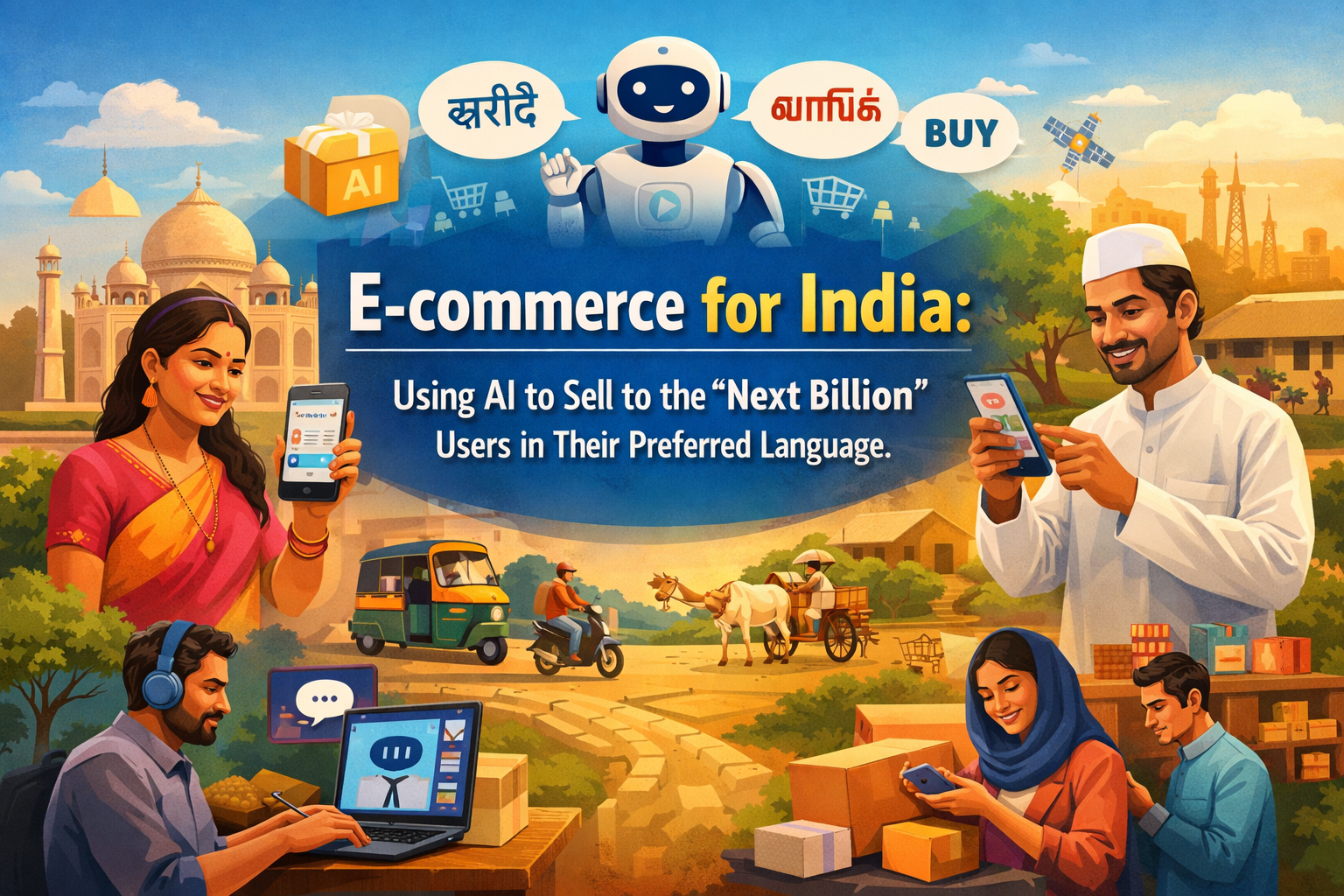
Discover how Artificial Intelligence enables businesses to deliver multilingual, personalized, and intuitive shopping experiences to India's next billion internet users.
Read More
Discover what voice search SEO is, why it matters in 2026, and how businesses can optimize their websites to capture traffic from the rapidly growing voice query market.
Read More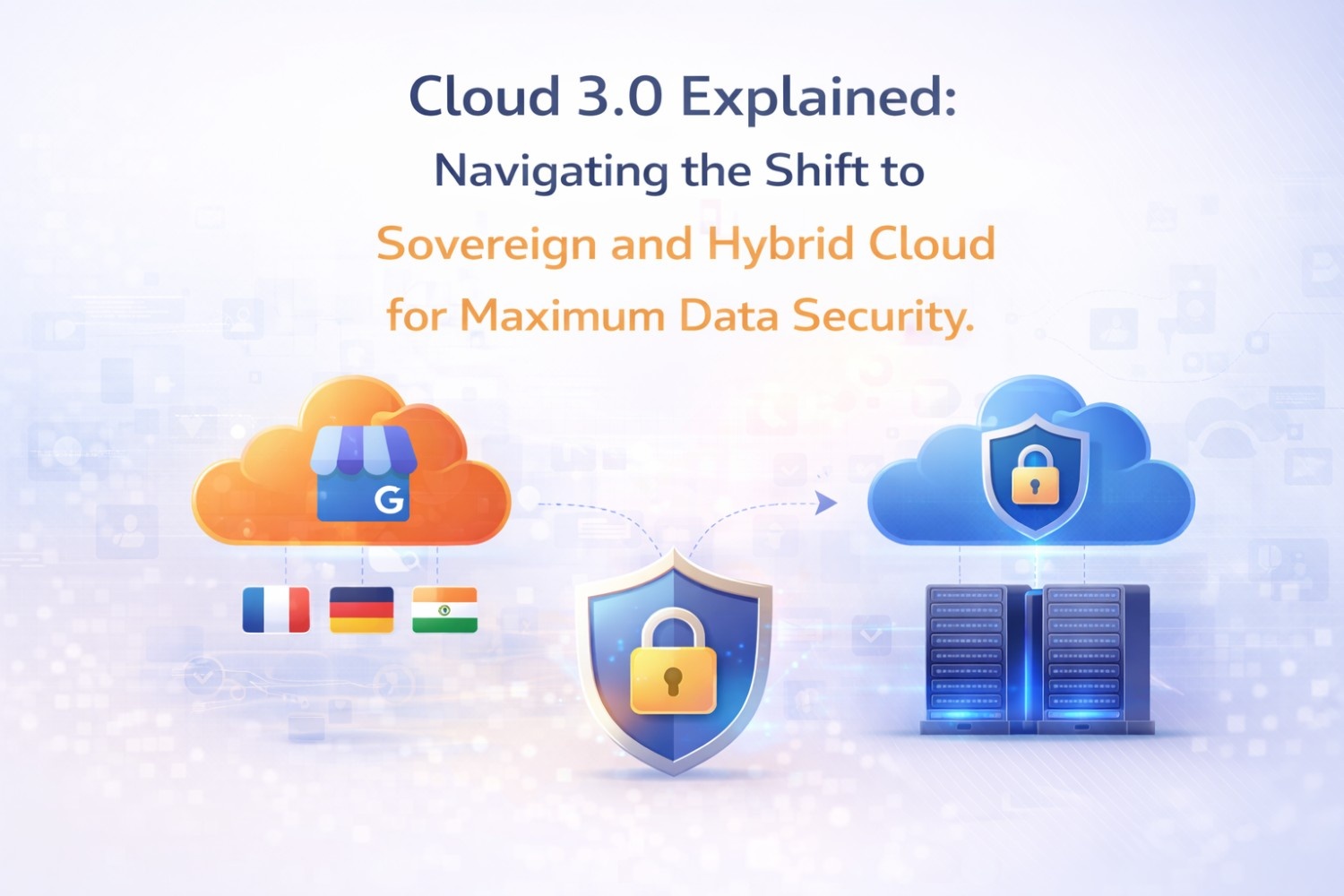
Explore what Cloud 3.0 is, why sovereign and hybrid cloud strategies matter in 2026, and how businesses can adopt them for maximum data security.
Read More
Learn 10 scalable, measurable, and adaptable methods for generating leads online in 2026 for businesses of all sizes.
Read MoreWe combine expertise, trust, and performance to deliver digital and IT solutions that truly support your business growth.
We bring hands-on experience in digital marketing, software, websites, apps, UI/UX, and cloud systems.
High-quality digital and IT services at transparent and budget-friendly rates.
Every strategy is designed to produce real results more leads, growth, performance, and visibility.
We keep you updated, respond quickly, and ensure smooth collaboration throughout the project.
Every business is unique our services are tailored to your goals, industry, and target audience.
Startups, brands, and enterprises rely on Zentrix Infotech for consistency, quality, and reliability.
Build fast, responsive, and scalable websites tailored to your business needs and goals.
Build a memorable brand identity with compelling designs that resonate with your target audience.
Engage and grow your community with strategic social media management and compelling content.
Boost your online presence with comprehensive digital strategies that deliver real results.
Create powerful mobile applications for iOS and Android that engage users on the go.
Custom software solutions built to streamline your operations and scale with your business.
Design intuitive and beautiful user experiences that keep your customers coming back.
Leverage cloud technology for secure, scalable, and cost-effective infrastructure solutions.
Showcasing our best creative work

A modern retail franchise brand empowering entrepreneurs with a comprehensive online shopping destination. Features multi-category marketplace with seamless ordering, delivery management, and franchise operations.

An award-winning ISO 9001:2015 certified wedding décor and event planning platform specializing in luxury celebrations, destination weddings, and corporate events across India with bespoke design experiences.

An award-driven interior studio offering bespoke residential & commercial solutions, blending elegance, function, and Vastu principles for harmonious living.

Crafting elegant and timeless interiors that transform spaces into immersive experiences—merging form, texture, and atmosphere seamlessly.
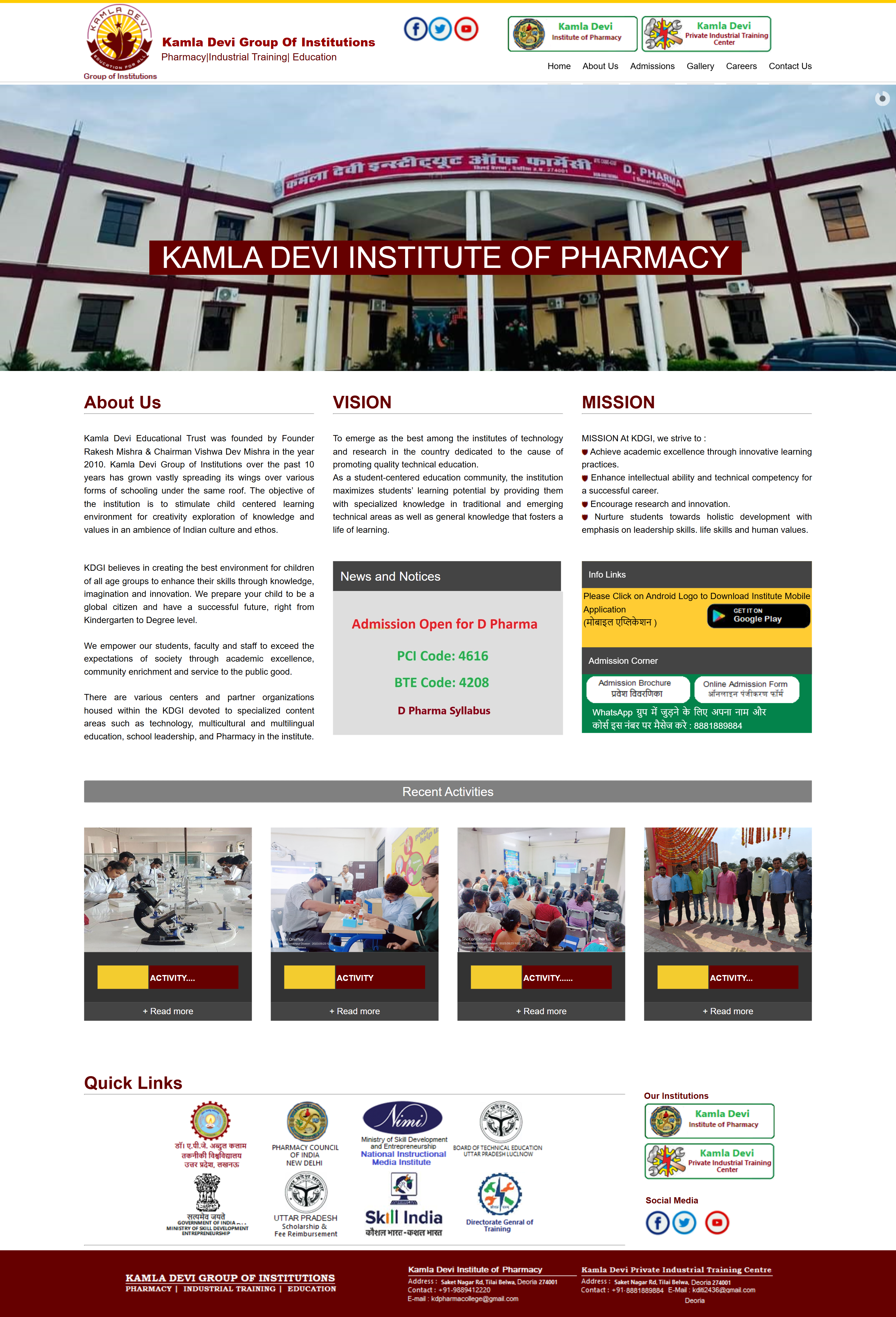
A comprehensive educational institution offering quality learning from Kindergarten to Degree level, specializing in technical education, pharmacy, and holistic student development with emphasis on research, innovation, and leadership skills.
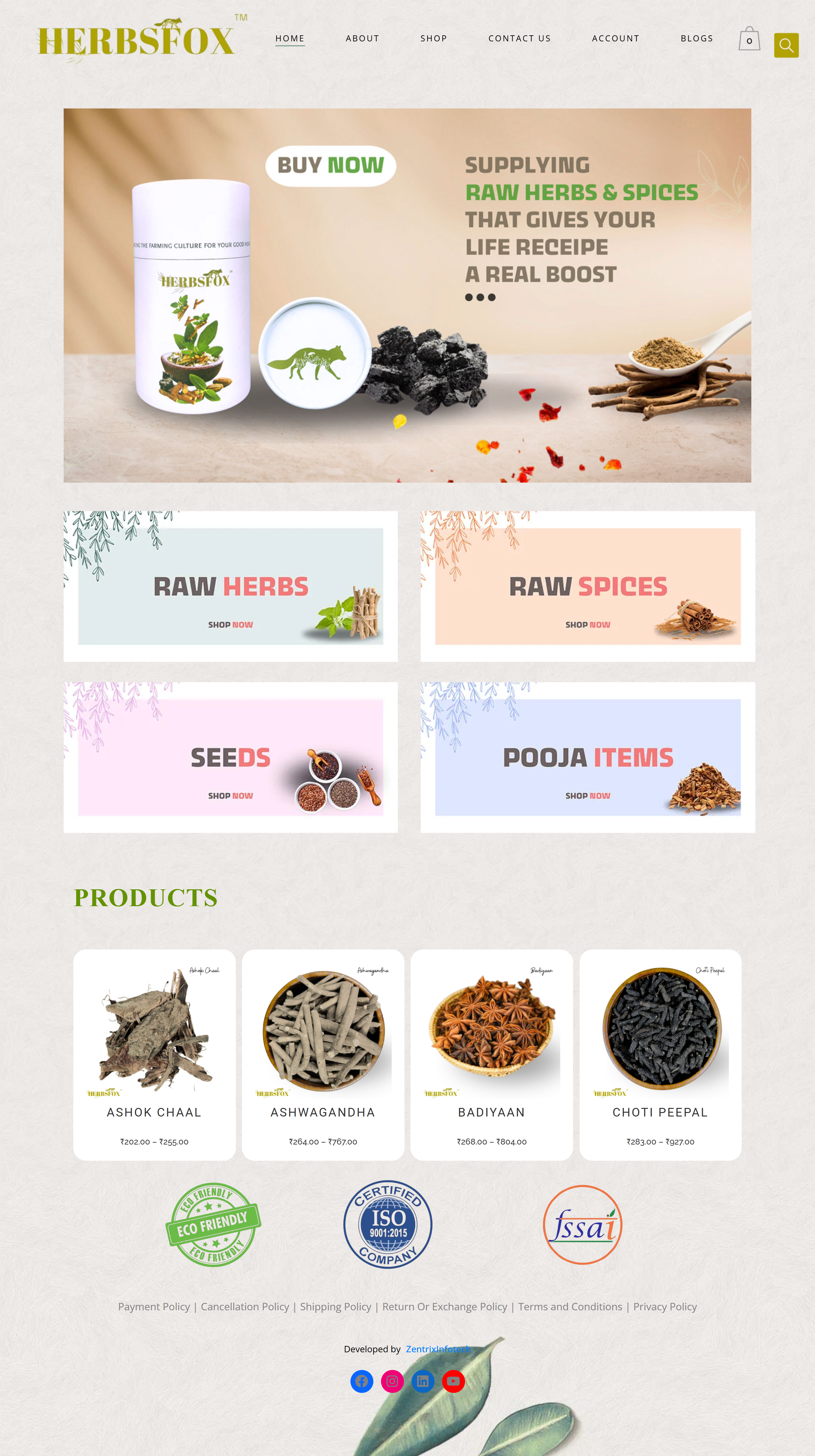
An online platform offering 100% raw, pure herbs, spices, seeds, and holistic wellness products sourced sustainably from trusted farms. :contentReference[oaicite:0]{index=0}
See what industry leaders are saying about our AI-powered development tools

Vasterior Pvt. Ltd.
The website looks modern and professional — exactly what we needed to showcase our interiors beautifully.
Alluring Glimpses
The design perfectly reflects our style, and the site is easy to navigate for our clients.
PS Decor
The website showcases our wedding projects beautifully and helped us get more client inquiries.
Morning Bites
Our bakery website is inviting and easy to use, making it simple for customers to order online.
Herbsfox
The site is clean, well-organized, and perfectly suits our natural products business.
Kairvi Fort Resort
The site turned out elegant and functional — Plus, the digital campaigns brought in real results with a noticeable boost in bookings during peak seasons.
Vasterior Pvt. Ltd.
The website looks modern and professional — exactly what we needed to showcase our interiors beautifully.
Alluring Glimpses
The design perfectly reflects our style, and the site is easy to navigate for our clients.
PS Decor
The website showcases our wedding projects beautifully and helped us get more client inquiries.
Morning Bites
Our bakery website is inviting and easy to use, making it simple for customers to order online.
Herbsfox
The site is clean, well-organized, and perfectly suits our natural products business.
Kairvi Fort Resort
The site turned out elegant and functional — Plus, the digital campaigns brought in real results with a noticeable boost in bookings during peak seasons.
Vasterior Pvt. Ltd.
The website looks modern and professional — exactly what we needed to showcase our interiors beautifully.
Alluring Glimpses
The design perfectly reflects our style, and the site is easy to navigate for our clients.
PS Decor
The website showcases our wedding projects beautifully and helped us get more client inquiries.
Morning Bites
Our bakery website is inviting and easy to use, making it simple for customers to order online.
Herbsfox
The site is clean, well-organized, and perfectly suits our natural products business.
Vasterior Pvt. Ltd.
The website looks modern and professional — exactly what we needed to showcase our interiors beautifully.
Alluring Glimpses
The design perfectly reflects our style, and the site is easy to navigate for our clients.
PS Decor
The website showcases our wedding projects beautifully and helped us get more client inquiries.
Morning Bites
Our bakery website is inviting and easy to use, making it simple for customers to order online.
Herbsfox
The site is clean, well-organized, and perfectly suits our natural products business.
Kairvi Fort Resort
The site turned out elegant and functional — Plus, the digital campaigns brought in real results with a noticeable boost in bookings during peak seasons.
Jigyasa Hospital
The website is clean, professional, and makes appointment booking super easy. Thanks to the marketing efforts, we've seen a consistent rise in patient inquiries through Google and social media. Great collaboration overall!
Southern Palate
Our spice e-commerce site looks great and is easy for customers to browse and order.
Kdedu.in
The college website is informative and easy for students and faculty to access essential resources.
Intirio World
Absolutely love how the website represents our brand — stylish and user-friendly! The digital marketing push also helped us generate qualified leads consistently. Super happy with the experience!
Kairvi Fort Resort
The site turned out elegant and functional — Plus, the digital campaigns brought in real results with a noticeable boost in bookings during peak seasons.
Jigyasa Hospital
The website is clean, professional, and makes appointment booking super easy. Thanks to the marketing efforts, we've seen a consistent rise in patient inquiries through Google and social media. Great collaboration overall!
Southern Palate
Our spice e-commerce site looks great and is easy for customers to browse and order.
Kdedu.in
The college website is informative and easy for students and faculty to access essential resources.
Intirio World
Absolutely love how the website represents our brand — stylish and user-friendly! The digital marketing push also helped us generate qualified leads consistently. Super happy with the experience!
Vasterior Pvt. Ltd.
The website looks modern and professional — exactly what we needed to showcase our interiors beautifully.
Alluring Glimpses
The design perfectly reflects our style, and the site is easy to navigate for our clients.
PS Decor
The website showcases our wedding projects beautifully and helped us get more client inquiries.
Morning Bites
Our bakery website is inviting and easy to use, making it simple for customers to order online.
Herbsfox
The site is clean, well-organized, and perfectly suits our natural products business.
Vasterior Pvt. Ltd.
The website looks modern and professional — exactly what we needed to showcase our interiors beautifully.
Alluring Glimpses
The design perfectly reflects our style, and the site is easy to navigate for our clients.
PS Decor
The website showcases our wedding projects beautifully and helped us get more client inquiries.
Morning Bites
Our bakery website is inviting and easy to use, making it simple for customers to order online.
Herbsfox
The site is clean, well-organized, and perfectly suits our natural products business.
Kairvi Fort Resort
The site turned out elegant and functional — Plus, the digital campaigns brought in real results with a noticeable boost in bookings during peak seasons.
Jigyasa Hospital
The website is clean, professional, and makes appointment booking super easy. Thanks to the marketing efforts, we've seen a consistent rise in patient inquiries through Google and social media. Great collaboration overall!
Southern Palate
Our spice e-commerce site looks great and is easy for customers to browse and order.
Kdedu.in
The college website is informative and easy for students and faculty to access essential resources.
Intirio World
Absolutely love how the website represents our brand — stylish and user-friendly! The digital marketing push also helped us generate qualified leads consistently. Super happy with the experience!
Kairvi Fort Resort
The site turned out elegant and functional — Plus, the digital campaigns brought in real results with a noticeable boost in bookings during peak seasons.
Jigyasa Hospital
The website is clean, professional, and makes appointment booking super easy. Thanks to the marketing efforts, we've seen a consistent rise in patient inquiries through Google and social media. Great collaboration overall!
Southern Palate
Our spice e-commerce site looks great and is easy for customers to browse and order.
Kdedu.in
The college website is informative and easy for students and faculty to access essential resources.
Intirio World
Absolutely love how the website represents our brand — stylish and user-friendly! The digital marketing push also helped us generate qualified leads consistently. Super happy with the experience!
Jai Balaji Bath and Tiles
The digital marketing campaigns helped us reach new builders and dealers we couldn't earlier. Our local visibility has drastically improved, and we're seeing a steady flow of inquiries through social media and search. Very satisfied!
Park Square
The digital marketing team really helped us attract property buyers. Our campaigns generated quality leads, and footfall at the site has gone up. Great results and great coordination!
Ahlawat Pharmacy
Our online presence was almost zero before. Now, people discover us through search and social ads. Orders and footfall have grown steadily since the campaigns started.
Hawk Eye Shooting Institute
The grand opening was a success thanks to their targeted ads. We reached the right audience at the right time. Now, we're consistently getting student inquiries through Instagram and Google.
The Buyzaar Mart
Their marketing strategy helped us launch our retail franchise network successfully. The targeted campaigns brought quality franchise inquiries and increased brand visibility across Delhi NCR. Our store openings now generate strong local engagement.
Jai Balaji Bath and Tiles
The digital marketing campaigns helped us reach new builders and dealers we couldn't earlier. Our local visibility has drastically improved, and we're seeing a steady flow of inquiries through social media and search. Very satisfied!
Park Square
The digital marketing team really helped us attract property buyers. Our campaigns generated quality leads, and footfall at the site has gone up. Great results and great coordination!
Ahlawat Pharmacy
Our online presence was almost zero before. Now, people discover us through search and social ads. Orders and footfall have grown steadily since the campaigns started.
Hawk Eye Shooting Institute
The grand opening was a success thanks to their targeted ads. We reached the right audience at the right time. Now, we're consistently getting student inquiries through Instagram and Google.
The Buyzaar Mart
Their marketing strategy helped us launch our retail franchise network successfully. The targeted campaigns brought quality franchise inquiries and increased brand visibility across Delhi NCR. Our store openings now generate strong local engagement.